
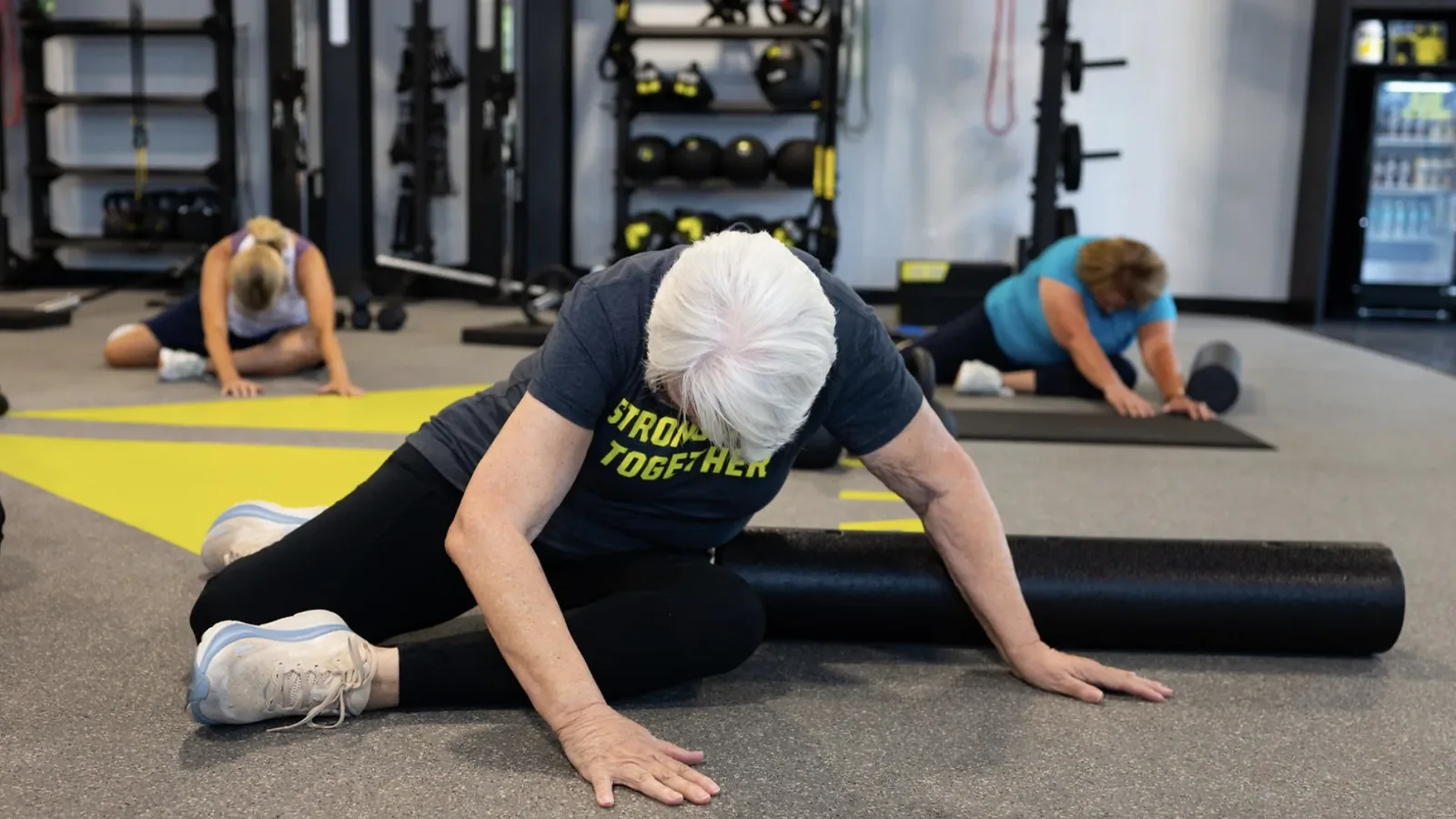
The ground rule comes first, as always: back pain with red flags – numbness, weakness down a leg, pain after a fall or accident, anything severe or strange – belongs with your physician or physical therapist before it belongs anywhere near a gym. We coach training; we do not treat injuries. What follows is general education plus what we have learned coaching a great many ordinary, stubborn, middle-aged backs, and it slots in around medical guidance, never in place of it.
With that filed: if your back is the garden-variety kind that aches after yard work, complains about long sitting, and flares a few times a year, the research of the past two decades points somewhere most people find surprising. Rest is not the fix. Strength, carefully built, usually is.
Why resting a cranky back backfires
A back that hurts gets protected: less bending, less lifting, less everything. The muscles that support the spine respond to the reduced workload the way all muscle does – by shrinking – and the back becomes easier to irritate, which earns it more protection, which weakens it further. That spiral is one of the better-documented patterns in musculoskeletal health, and it runs on good intentions. Most chronic, non-specific low back pain does better with graded activity than with avoidance, which is why "stay active" replaced "bed rest" in essentially every modern guideline.
What the evidence favors
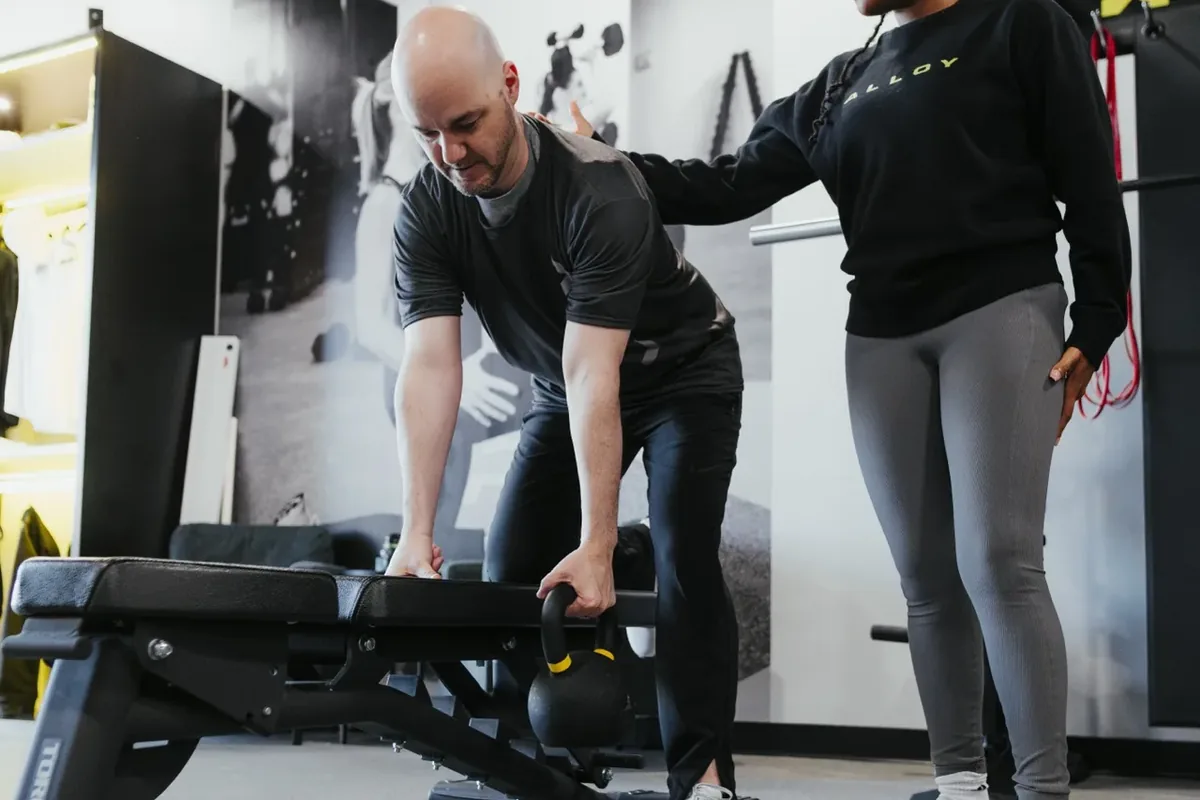
- A trained hinge. Most back tweaks happen mid-lift: the water softener salt, the grandchild, the snow. Learning to hinge from the hips with a braced trunk – and then loading that pattern gradually over months – turns the movement that hurts backs into the movement that armors them.
- A core with a real job. Not crunches, which aging spines do not enjoy in volume, but bracing, carrying, and resisting twist – the work we detailed in core training for older adults. That is the strength that takes load off the spine's small, complaining structures.
- Strong hips and legs. A body that can squat to a chair and stand up with strength to spare stops asking the lower back to do jobs it was never hired for.
- General movement between sessions. Walks, position changes, less marathon sitting – the pattern we described in strength training when you sit all day.
What a coached version changes
Training a touchy back solo involves a lot of guessing, and guessing is what flares it. In our sessions the guessing is the coach's job: exercises get chosen and modified around your history, ranges stay where you own them, loads progress when your back has demonstrated it is ready and not before. A member managing a back trains alongside everyone else with different variations where it matters – the same approach we take with arthritis and old injuries. Flare-ups still happen in life; members with trained backs report they happen less, resolve faster, and scare them less, which may be the most underrated benefit of the three.
If your physician or PT has cleared you for exercise and the back is still running your calendar, bring their guidance to our Winnebago Street studio – Schenk-Atwood, Monona, Sun Prairie, and Cottage Grove are all minutes away. We will load you well within it, patiently, and let the spiral run the other direction for a change.