
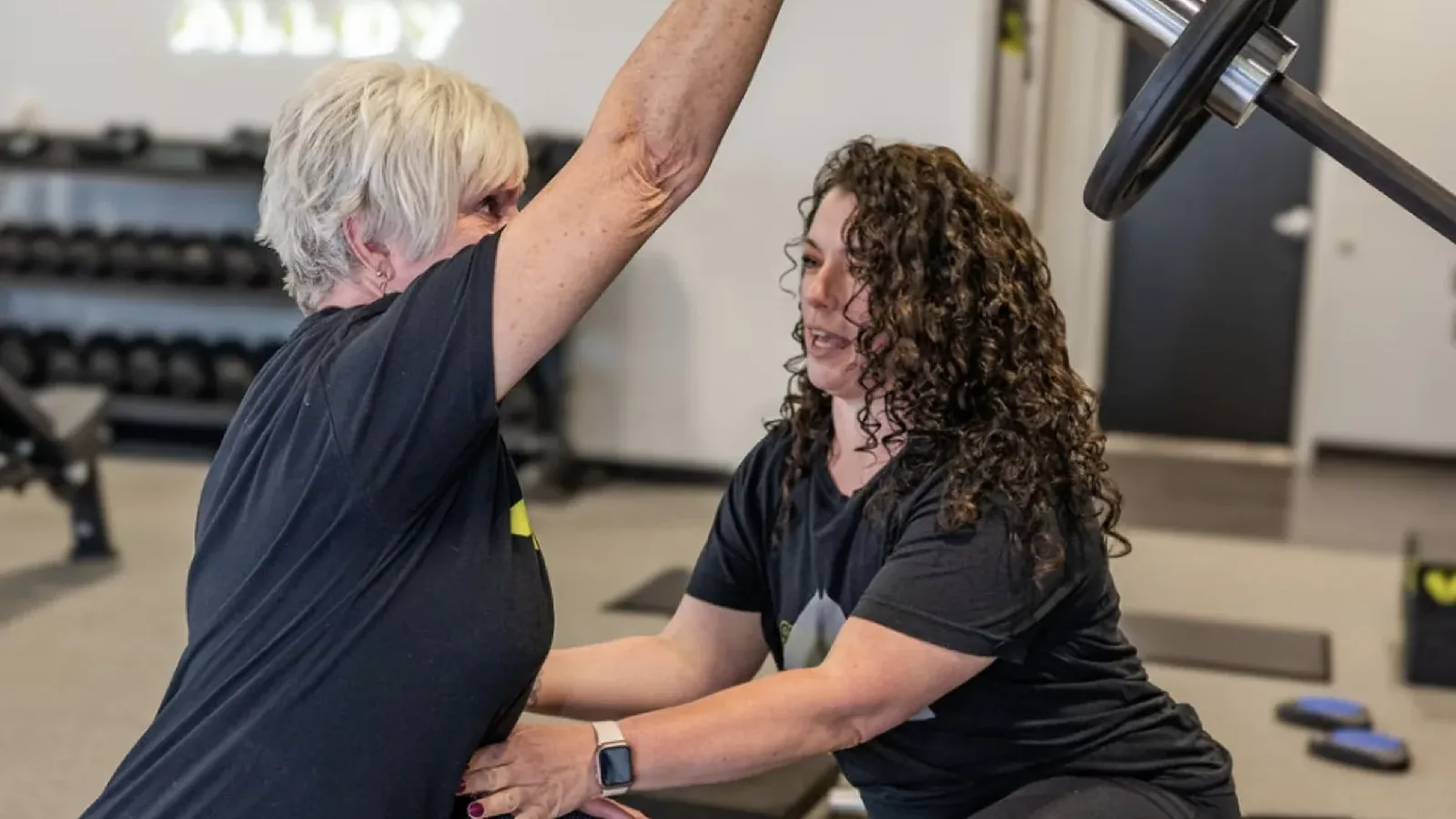
Bone density is the health topic almost nobody thinks about until a scan makes them think about it. Usually the sequence goes: routine DEXA scan somewhere past 50, a word like osteopenia or osteoporosis in the results, and then a conversation with a physician that includes, somewhere on the list, "weight-bearing exercise."
This post is about that list item: what kind of exercise actually helps bone, why strength training keeps earning its place in the research, and how to do it sensibly. The ground rule comes first: osteoporosis is a medical condition. Diagnosis, medication decisions, and what is safe for your spine specifically belong to your physician. Everything below is general education and coaching practice, and it slots in around their guidance, never in place of it.
Why bone responds to training at all
Bone is living tissue that remodels constantly, and it follows a rule that sounds almost too simple: it strengthens along the lines it is loaded. Ask bone to bear meaningful load regularly and the remodeling tips toward building. Never ask, and the tipping goes the other way, gradually, silently, for decades. This is why the research on resistance training and bone health keeps coming back positive: lifting is the most direct way to deliver the ask. Walking helps – it is weight-bearing, and it beats sitting – but bone adapts to loads beyond the everyday, which walking alone stops providing fairly quickly.
What the evidence supports
- Progressive resistance training, especially through the hips and spine's support system: squats to an appropriate depth, hinge patterns, presses, rows, and carries, loaded meaningfully for your level and progressed over months. Studies of postmenopausal women, the group most affected, have shown structured programs like this can maintain or improve bone density measures.
- Impact in sensible doses, where appropriate: brisk walking, stairs, and for some people light hopping or step work. Impact is a bone stimulus, and appropriateness depends entirely on your bone status – this one especially runs through your physician.
- Balance work alongside, because the practical goal is not just denser bone, it is fewer falls onto whatever bone you have. Strength plus balance is the fall-prevention combination with the strongest support, and it is built into our sessions the way we described in balance and mobility training for older adults.
What to be careful with
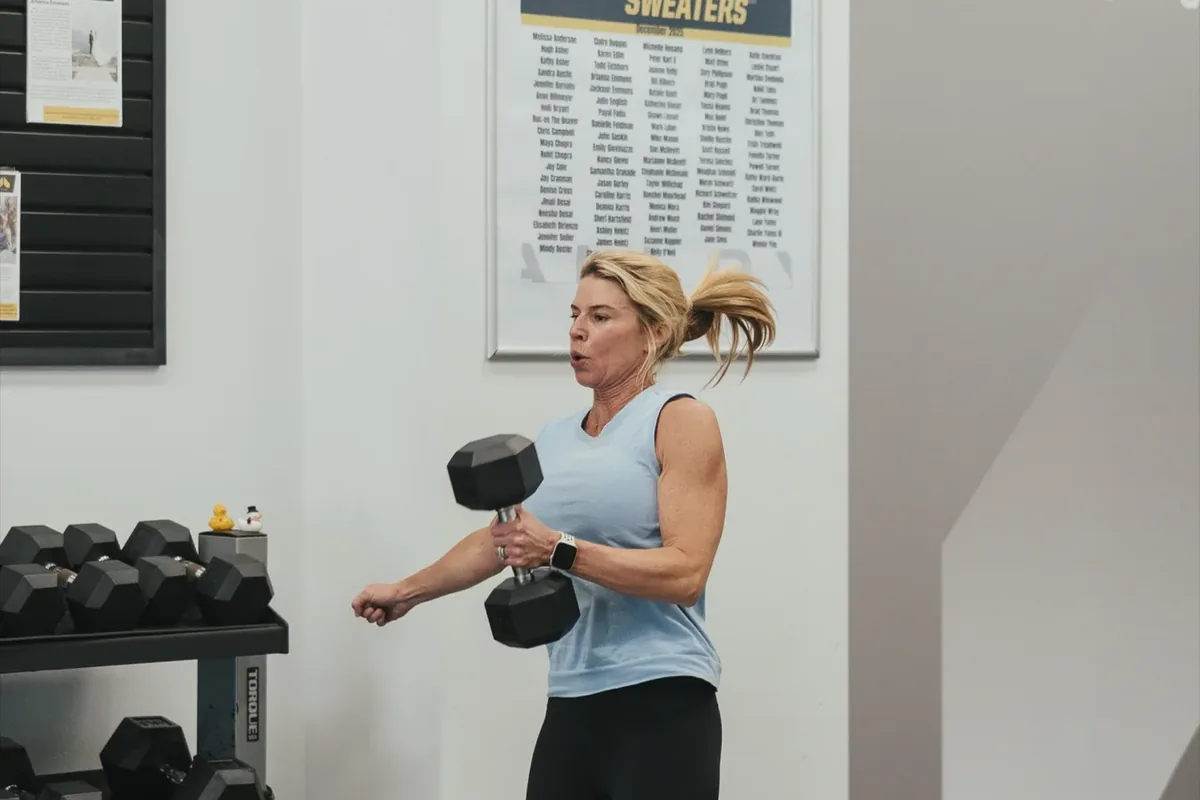
With diagnosed osteoporosis, most guidance urges caution with loaded, repeated forward rounding of the spine (the crunch-and-toe-touch family) and with sudden twisting under load. This is exactly why the coached version of strength training matters here: movements get chosen and modified to load the skeleton's strong lines while respecting the vulnerable ones. It is also why "just be careful" is a poor prescription – bones need the load, delivered intelligently. Avoiding all loading out of fear reliably makes the underlying problem worse.
How this works at our studio
Members train with their physician's guidance on file and a coach who knows it. Sessions are capped at six people, so a member managing bone density does the same session as everyone else with different ranges, loads, and variations where it matters. Progress happens on two tracks: the strength numbers we can see monthly, and the bone story that plays out on your physician's scans over years. Both tracks reward the same thing, which is showing up twice or three times a week and progressing patiently – the theme of everything we write, from strength training for longevity on down.
If you are on the east side – Schenk-Atwood, Monona, Sun Prairie, Cottage Grove – and a scan or a family history has put bones on your radar, talk with your physician, then come talk with us at the Winnebago Street studio. Bring their guidance. We will load you well within it, and your skeleton will get the message it has been waiting for.