
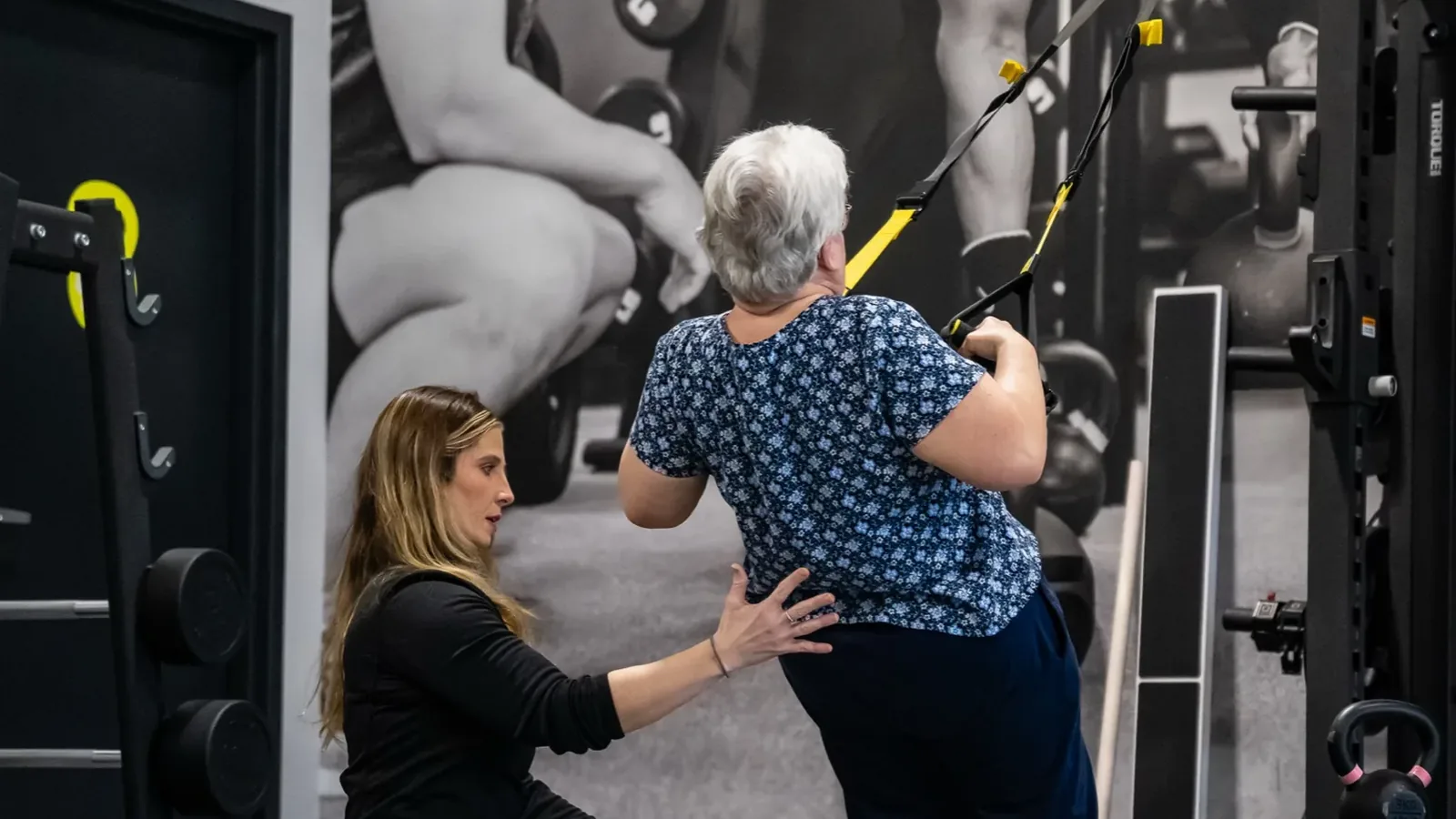
Somewhere along the way, "core" became a synonym for "abs," and core training became a synonym for crunches. That is a shame, because your core has a much better job than looking a certain way at the beach, and crunches are close to the least useful way to train it, especially past 50.
Your core is the whole middle of you: the muscles wrapping your trunk, front, sides, and back, plus the hips they anchor to. Its actual job description reads like a list of everything you want to keep doing for the next thirty years.
What your core actually does all day
- Holds you upright. Standing tall through a long afternoon is core endurance at work.
- Transfers force. Every time you carry groceries, shovel snow, or swing a golf club, force passes through your trunk. A weak middle leaks it; a strong one delivers it.
- Protects your back. A trunk that can brace properly takes load that would otherwise land on the spine's small structures. Much of what people call "a bad back" is partly an under-trained core.
- Keeps you balanced. Catching yourself after a slip on an icy driveway is a core-and-hips event as much as a leg event. It pairs directly with the work in our guide to balance and mobility training.
Why crunches are the wrong tool
Crunches train one narrow function – bending the spine forward repeatedly – which is neither something daily life demands much of nor something aging spines particularly enjoy in high volume. Meanwhile they skip the functions that matter: bracing, resisting twist, holding posture under load. You can do a thousand crunches and still be the person who tweaks their back lifting a bag of water softener salt. The fix is training the core the way life uses it.
The core training that actually matters
- Carries. Walking with heavy dumbbells is the single most functional core exercise we know: your trunk braces, your posture organizes, your grip works, and it maps directly onto every bag you will ever carry.
- Planks and their smarter cousins. Holding a strong position teaches the brace itself. Progressions add reach, movement, and load as you get stronger.
- Anti-rotation work. Resisting twist – holding steady while a band or cable tries to turn you – is exactly the strength that protects backs during real-world lifting and reaching.
- Dead bugs and controlled floor work. Coordinating limbs while the trunk stays quiet, which is most of what good movement is.
- Compound lifts, coached well. Squats, hinges, and presses all train the core in its supporting role, which is its main role. A properly coached deadlift variation is core training wearing work clothes.
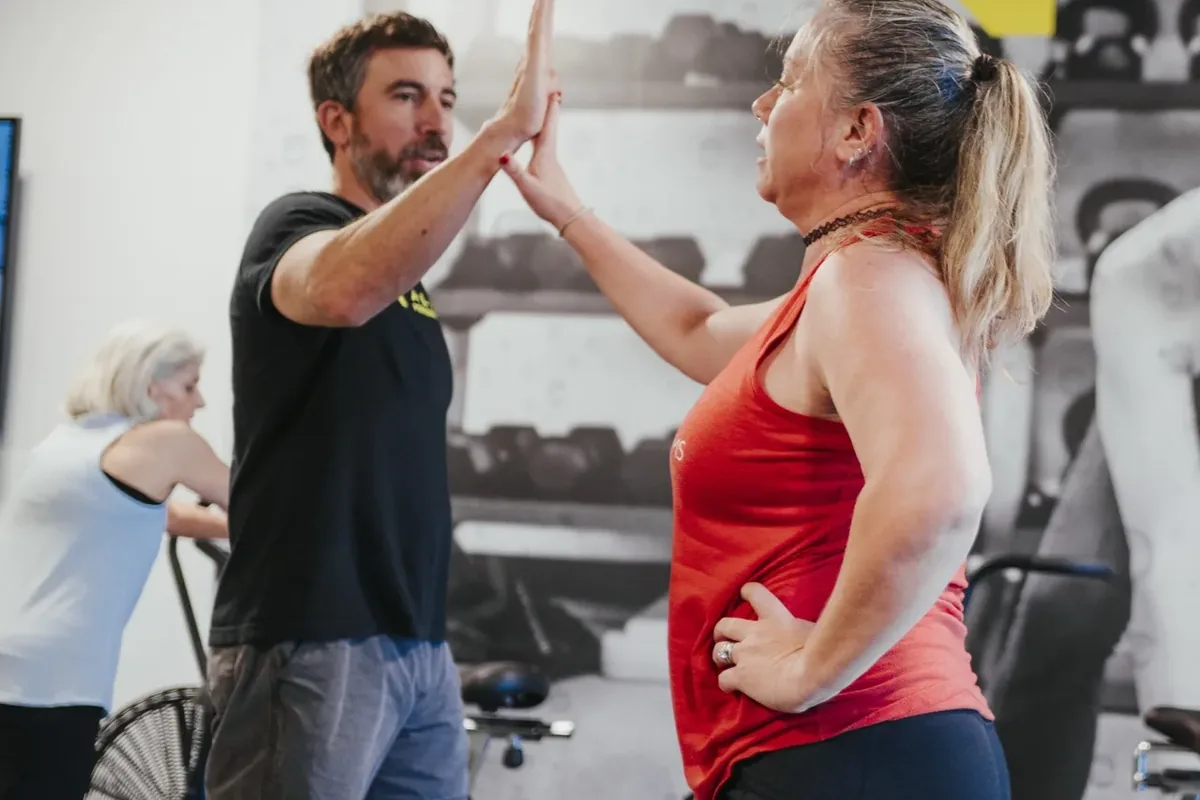
Everything scales. A member starting at 65 does the same curriculum as one starting at 45, at different chapters, and both progress. That is standard practice in our small group sessions, where every exercise gets adjusted per person.
What changes when the middle gets strong
Members rarely report it as "my core is stronger." They report the downstream effects: the back that stopped complaining about yard work, standing through a whole concert at Breese Stevens without seeking a wall, luggage and grandkids and salt bags handled without the little pre-lift negotiation. Posture improves without being managed. Balance feels less like luck. That is the real product, and it compounds with the rest of a strength program – the same story we told in how to stay strong as you age.
If you are on Madison's east side – Schenk-Atwood, Monona, Sun Prairie, Cottage Grove – our studio on Winnebago Street builds all of this into every coached session, capped at six people, scaled to where you are. Come see what a core program with a real job description feels like. Your back has been waiting for one.